
Teeccino: Caffeine-Free Herbal Coffee
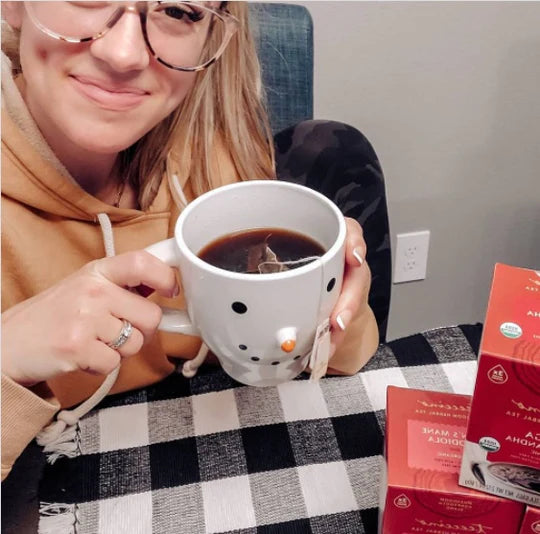
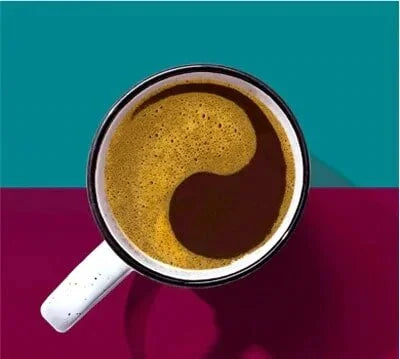
Foamy Mug of Teeccino

No-Caf: All the satisfaction, no caffeine reaction!
The Effect of Caffeine on Weight Loss

The article below is an in-depth review of the current research available about the affects of caffeine and coffee on diet and weight loss. It is primarily intended for health care and medical professionals. If you would like to read a summary of the main points in this article, click here.

If you've already decided you need to eliminate, or cut back, on coffee in your diet, click here for a simple, easy to follow program to quit coffee painlessly in just two weeks.

Too much caffeine in your diet? Click here to take our daily caffeine intake quiz.

For more information about Teeccino caffeine-free herbal coffee and its nutritious health benefits, click here.
© Teeccino 2004
Reviewed by Meri Rafetto, RD, Theresa Grumet, RD, and Gerri French, RD, MS, CDE.
Click Here for PDF of Article (58 KB)

Weight loss is an obsession for many Americans. The prevalence of adults who are overweight is at an all-time high with the percentage currently hovering at 65 percent, of whom 30.5 percent are considered obese. Rates of weight gain and obesity are dangerously increasing in children as well. Carrying excess weight not only hastens early mortality, but being overweight is associated with many chronic diseases, including: diabetes, high cholesterol, high blood pressure, cardiovascular disease and increased incidence of cancer.1 Research has found that caffeine and coffee negatively affects many of these health conditions that are prevalent in overweight people. Additionaly, both caffeine and coffee contribute to increased appetite that thwarts the efforts of people on diets to stick to their regime.

Americans spend more than $33 billion annually on weight loss products and services.2 The popularity of nutritional supplements for weight-loss like the FDA banned ephedra & caffeine diet pills and the newer weight-loss supplements that are rapidly filling the void left by ephedra, reflects the desperation of people attempting to lose weight.

The use of so-called weight loss supplements is generally discouraged as they have negative health effects and for the weight loss to be sustained, they may have to be taken on a long-term basis. Caffeine is often an ingredient in weight-loss formulas. Since caffeine is a stimulant, it is thought that it enhances fat metabolism and encourages weight loss. Many people believe their daily mug of coffee or other caffeinated drink helps them to lose weight or keep weight off. However, the diuretic effect of caffeine is what appears to create weight loss, and this causes loss of water, not fat. Reputable practitioners, like the Mayo Clinic, debunk the myth of caffeine for weight loss and discourage its use as a weight loss aid.3

Caffeine intake often perpetuates many of the factors contributing to weight gain and continued obesity. Coffee and caffeine intake aggravates stress, including physical, mental, and emotional stress, leading to increased levels of the glucocorticoids including cortisol. A well documented relationship exists between chronically elevated levels of these stress hormones and deposition of excess fat in the abdomen leading to obesity as well as increased caloric intake, particularly increased ingestion of fats and sugars.4

Of all the dietary habits that people find difficult to change, coffee drinking is one of the most challenging because it is so entrenched in cultural habits and caffeine addiction.5 Withdrawal symptoms can involve painful headaches, nausea, vomiting, and loose stools, as well as depression, fatigue and anxiety.6, 7 People whose health problems would be ameliorated if they gave up coffee can improve their chance for successfully quitting coffee if they have both a satisfying alternative and a method to slowly decrease their caffeine intake to reduce withdrawal symptoms.


The following characteristics of coffee have an adverse effect on weight loss:
  • Coffee Elevates Stress Hormones
    • Caffeine in coffee elevates the stress hormones cortisol, epinephrine (also known as adrenaline) and norepinephrine.8, 9, 10, 11 These hormones are responsible for increased heart rate and blood pressure, and a sense of "emergency alert". Circulation of oxygen to the brain and extremities is decreased and the immune system is suppressed.
    • The purpose of this "fight or flight" response is to provide the body with a temporary energy boost for intense physical activity. With today’s sedentary lifestyle, the continual state of increased stress resulting from caffeine consumption can negatively affect weight control through disruptions in normal metabolism.

  • Increased Cortisol Levels Lead to Abdominal Obesity
    • Chronically elevated blood cortisol levels that are caused by frequent stress or regular caffeine or coffee intake lead to an increased buildup of fat in the abdominal area; this type of weight gain further stimulates the release of additional stress hormones.12

  • Increased Stress Leads to Overeating
    • This chronic state of increased stress caused by caffeine is associated with a markedly increased tendency to overeat. CNS stimulants stimulate anxiety and caffeine consumption increases the tendency of people to overeat or binge-eat and abuse laxatives and diet pills.13, 14
    • Coffee drinking increases physiological measurements of stress, and although this effect is greater with increased caffeine levels, decaffeinated coffee may also influence stress as factors other than caffeine in coffee are associated with stress.15
    • Elevation of stress hormones leads to fat cravings.16
    • Elevated levels of cortisol increase appetite.17

  • Caffeine Exacerbates Insulin Resistance Syndrome
    • Caffine ingestion contributes to insulin resistance and impairs glucose and insulin homeostasis as part of the stress response.18, 19 Even moderate amounts of coffee can have this effect.20
    • Obesity, high blood pressure, impaired glucose metabolism and elevated LDL and lowered HDL blood lipids cluster to generate insulin resistance syndrome. Stress and the release of corticosteroids contribute to the pathogenesis of this syndrome. When people with this syndrome drink coffee as a weight-loss aid, it negatively affects all the conditions associated with this syndrome. 21, 22
    • Drinking coffee can cause insomnia and sleep deprivation, both of which have been found to increase insulin resistance.23 People who are deprived of adequate deep sleep, and are in situations of sleep debt have lower levels of glucose tolerance, greater insulin resistance, increased concentrations of blood cortisol and stimulation of the sympathetic nervous system.24, 25

  • Caffeine Stimulates Appetite
    • Although caffeine is included as an ingredient in many weight-loss aids, it actually stimulates appetite, and organizations including the Mayo Clinic26 discourage the use of caffeine as a weight-loss aid. Initially, caffeine may decrease appetite through its central nervous system response. However, subsequently caffeine increases cortisol levels, and higher levels of cortisol stimulate appetite.27, 28
    • Caffeine triggers hypoglycemia through the activation of the sympathetic nervous system and the adrenal glands, causing an immediate and sustained constriction of blood vessels, decreased circulation to the brain and a heightened feeling of low blood sugar.29 The body’s reaction to hypoglycemia results in food cravings and increased appetite. People often crave higher fat foods resulting in increased caloric intake, further interfering with the body’s ability to maintain a healthy weight.30, 31

  • Coffee Increases Serum Cholesterol Levels
    • Lipid metabolism is an important factor in weight loss, and drinking cofee is linked to higher levels of serum cholesterol, with particularly high levels noted in people who drink boiled coffee or coffee processed at high temperatures (which includes espress and espresso drinks).32, 33 Other forms of coffee including decaffeinated coffee have also been shown to increase serum cholesterol levels.34, 35 Coffee drinking also demonstrably raises blood levels of low density lipoproteins in one lipid research study36, although results in other studies are inconclusive.

  • Caffeine Interferes with GABA Metabolism
    • GABA (Gamma-aminobutyric acid) is a neurotransmitter naturally produced in the brain and nervous system as well as the heart. It plays an important role in mood and stress management and influences a persons sense of well-being.
    • Caffeine has been found to interfere with binding of GABA to GABA receptors, preventing it from performing its calming function.37 GABA’s role in stress management is compromised in the presence of caffeine, and increased physiological and psychological stress lead to overeating as well as difficulties losing weight.
Recommendation:

Individuals who are trying to lose weight would do well to avoid coffee. Dietary changes that include weaning off of coffee and all other sources of caffeine along with an appropriate diet and exercise program can encourage weight loss. Caffeine increases the reactivity of the body to the stress of everyday life and increased levels of stress negatively affect weight loss.38 Nutrition professionals can support people who need to lose weight by guiding them through the process of substituting a non-caffeinated, alkaline herbal coffee that brews and tastes just like coffee.

Kicking the Caffeine Habit:

The social prevalence of coffee drinking and the addictive side effects of caffeine can cause problems with patient compliance. Caffeine-free herbal coffee marketed under the brand name of Teeccino® helps coffee drinkers replace their regular or decaf coffee with a satisfying alternative. Coffee drinkers need a dark, full-bodied, robust brew to help satisfy their coffee craving. Teeccino satisfies the 4 needs coffee drinkers require in a coffee alternative:
  1. Teeccino brews just like coffee, allowing coffee drinkers to keep their same brewing ritual.
  2. It has a delicious, deep roasted flavor that is very coffee-like.
  3. It wafts an enticing aroma.
  4. People experience a natural energy boost from nutritious Teeccino.
Teeccino offers the following health benefits for people who need to lose weight:

Beneficial Features of Teeccino Teeccino Ingredients40, 41, 42, 43, 44, 45, 46, 47, 48, 49
  • Inulin fiber from chicory
    • Unlike coffee, Teeccino has nutritional value, including soluble inulin fiber, a pre-biotic that helps support a healthy population of beneficial microflora.

  • 65 mg of Potassium
    • Teeccino is a source of potassium. In liquid form, potassium is easily absorbed to help relieve muscle fatigue and maintain normal heart rhythm, supporting ability to follow an exercise program.

  • Alkaline – helps reduce acidity
    • As opposed to acidic coffee, Teeccino is alkaline, which reduces stomach hyperacidity.

  • Gluten Free
    • Gluten does not extract into boiling water. Tests show Teeccino is gluten free although it contains barley.

  • Naturally Caffeine-free
    • No chemical processing like decaffeinated coffee.
  • Carob
    • Consumption of water-soluble fiber from carob lowered elevated blood cholesterol.
    • Carob improves glucose metabolism.

  • Barley
    • Contains niacin, a B vitamin important for healthy heart function and resistance to stress.
    • Improves lipid metabolism

  • Almond
    • Lowers serum lipid levels

  • Figs
    • Contain polyphenols, plant compounds that act as antioxidants.
    • A good source of potassium

  • Dates
    • Contains potassium and magnesium, important for maintaining heart rhythm. Magnesium deficiency is associated with increased stress response.

  • Chicory Root
    • Has been shown to improve mineral absorption, including magnesium.

Kicking the Coffee Habit: The Pain-free Way to Wean off of Coffee

Start by mixing normal coffee 3/4 to 1/4 Teeccino Herbal Coffee. Gradually reduce the percentage of coffee over a two to three week period until only 100% Teeccino Herbal Coffee is brewed. Gradual reduction of caffeine is recommended.39 Side effects such as headaches, fatigue, and brain fogginess can be avoided as the body gradually adjusts to less reliance on stimulants.

Example: Use the following proportions if you make a 10-cup pot of coffee daily:

Day Regular Coffee Teeccino
Day 1-3: 4 tablespoons 1 tablespoons
Day 4-6: 3 tablespoons 2 tablespoons
Day 7-9: 2 tablespoons 3 tablespoons
Day 10: 1 1/2 tablespoons 3 1/2 tablespoons
Day 11: 1 tablespoon 4 tablespoons
Day 12-13: 1/2 tablespoon 4 1/2 tablespoons
Day 14: none 5 tablespoons


References
  1. NIH Publication No. 03-4158. Copyright July 2003
  2. Colditz, G.A. Economic costs of obesity. American Journal of Clinical Nutrition. 1992;55:503-507s.
  3. Mayo Clinic Foundation for Medical Education and Research. May 27, 2003.
  4. Bjorntorp, P. 2001. Do stress reactions cause abdominal obesity and comorbidities? Obesity Reviews. 2(2):73-86.
  5. Braun, S. Buzz: The Science and Lore of Alcohol and Caffeine. Copyright 1996
  6. .
  7. Strain, E.C., G.K. Mumford, K. Silverman, and R.R. Griffiths. 1994. Caffeine dependence syndrome. Journal of the American Medical Association, 272:1043-1048.
  8. Silverman, K., Evans, S.M., Strain, E.C. and Griffiths, R.R. 1992 Withdrawl Syndrome after the Double-Blind Cessation of Caffeine Consumption. The New England Journal of Medicine. 16(327): 1109-14.
  9. Robertson, D., Frolich, J.C., Carr, R.K., Watson, J.T., Hollifield, J.W., Shand, D.G. and J.A. Oates. 1978. Effects of caffeine on plasma renin activity, catecholamines and blood pressure. New England Journal of Medicine. 298(4):181-6.
  10. Lane, J.D., Adcock, R.A., Williams, R.B. and C.M. Kuhn. 1990. Caffeine effects on cardiovascular and neuroendocrine responses to acute psychosocial stress and their relationship to level of habitual caffeine consumption. Psychosomatic Medicine. 52(3):320-36.
  11. Lane, J.D. 1994. Neuroendrocine Responses to Caffeine in the Work Environment. Psychosomatic Medicine. 546:267-70.
  12. Kerr, D., Sherwin, R.S., Pavalkis, F., Fayad, P.B., Sikorski, L., Rife, F., Tamborlane, W.V. and During, M.J. 1993. Effect of caffeine on the recognition of and responses to hypoglycemia in humans. Annals of Internal Medicine. 119(8):799-804.
  13. Dallman, M.F., la Fleur, S.E., Pecoraro, N.C., Gomez, F., Houshyar, H., Akana, S.F. 2004. Minireview: glucocorticoids--food intake, abdominal obesity, and wealthy nations in 2004. Endocrinology. 145(6): 2633-8.
  14. Krahn, D.D., Hasse, S., Ray, A., Gosnell, B. and Drewnowski, A. 1991. Caffeine consumption in patients with eating disorders. Hospital and Community Psychiatry. 42(3)313-5.
  15. Livermore, B. 1991. Caffeine Boosts Eating Disorders. Health. June: 16.
  16. Quinlan, P.T., Lane, J., Moore, K.L., Aspen, J., Rycroft, J.A. and O'Brien, D.C. 2000. The acute physiological and mood effects of tea and coffee: the role of caffeine level. Pharmacology, biochemistry, and behavior. 66(1):19-28.
  17. Castonguay, T.W. 1991. Glucocorticoids as modulators in the control of feeding. Brain Research Bulletin. 27(3-4):423-8.
  18. Takeda, E., Terao, J., Nakaya, Y., Miyamoto, K., Baba, Y., Chuman, H., Kaji, R., Ohmori, T. and Rokutan, K. 2004. Stress control and human nutrition. Journal of Medical Investigation. 51(3-4): 139-45.
  19. Petrie, H.J., Chown, S.E., Belfie, L.M., Duncan, A.M., McLaren, D.H., Conquer, J.A. and Graham, T.E. 2004. Caffeine ingestion increases the insulin response to an oral-glucose-tolerance test in obese men before and after weight loss. American Journal of Clinical Nutrition. 80(1):22-8.
  20. Graham, T.E., Sathasivam, P., Rowland, M., Marko, N., Greer, F. and Battram, D. 2001. Caffeine ingestion elevates plasma insulin response in humans during an oral glucose tolerance test. Canadian journal of physiology and pharmacology. 78(7):559-65.
  21. Keijzers, G.B., De Galan, B.E., Tack, C.J. and Smits, P. 2002. Caffeine can decrease insulin sensitivity in humans. Diabetes Care. 25(2):364-9.
  22. Natali, A. and Ferrannini, E. 2004. Hypertension, insulin resistance, and the metabolic syndrome. Endocrinology and metabolism clinics of North America. 33(2):417-29
  23. .
  24. Rosmond, R. 2005. Role of stress in the pathogenesis of the metabolic syndrome. Psychoneuroendocrinology. 30(1):1-10.
  25. Boutrel, B. and Koob, G.F. 2004. What keeps us awake: the neuropharmacology of stimulants and wakefulness-promoting medications. Sleep. 27(6): 1181-94.
  26. Spiegel, K., Leproult, R. and Van Cauter, E. 1999. Impact of sleep debt on metabolic and endocrine function. Lancet. 354(9188): 1435-9.
  27. VanHelder, T., Symons, J.D. and Radomski, M.W. 1993. Effects of sleep deprivation and exercise on glucose tolerance. Aviation, Space, and Environmental Medicine. 64(6):487-92.
  28. Mayo Clinic Foundation for Medical Education and Research. May 27, 2003.
  29. Takeda, E., Terao, J., Nakaya, Y., Miyamoto, K., Baba, Y., Chuman, H., Kaji, R., Ohmori, T. and Rokutan, K. 2004. Stress control and human nutrition. Journal of Medical Investigation. 51(3-4): 139-45.
  30. Epel, E., Lapidus, R., McEwen, B. and Brownell, K. 2001. Stress may add bite to appetite in women: a laboratory study of stress-induced cortisol and eating behavior. Psychoneuroendocrinology. 26(1):37-49.
  31. Kerr, D., Sherwin, R.S., Pavalkis, F., Fayad, P.B., Sikorski, L., Rife, F., Tamborlane, W.V. and During, M.J. 1993. Effect of caffeine on the recognition of and responses to hypoglycemia in humans. Annals of Internal Medicine. 119(8):799-804.
  32. Strachan, M.W., Ewing, F.M., Frier, B.M., Harper, A. and Deary, I.J. 2004. Food cravings during acute hypoglycaemia in adults with Type 1 diabetes. Physiology and Behavior. 80(5):675-82.
  33. Dewan, S., Gillett, A., Mugarza, J.A., Dovey, T.M., Halford, J.C. and Wilding, J.P. 2004. Effects of insulin-induced hypoglycaemia on energy intake and food choice at a subsequent test meal. Diabetes/metabolism research and reviews. 20(5):405-10.
  34. Lindahl, B., Johansson, I., Huhtasaari, F., Hallmans, G. and Asplund, K. 1991. Coffee drinking and blood cholesterol--effects of brewing method, food intake and life style. Journal of Internal Medicine. 230(4):299-305.
  35. Salvaggio, A., Periti, M., Miano, L., Quaglia, G. and Marzorati, D. 1991. Coffee and cholesterol, an Italian study. American Journal of Epidemiology. 134(2):149-56.
  36. Aro, A., Pietinen, P., Uusitalo, U. and Tuomilehto, J. 1989. Coffee and tea consumption, dietary fat intake and serum cholesterol concentration of Finnish men and women. Journal of Internal Medicine. 226(6):127-32.
  37. Green, M.S. and Harari, G. 1992. Association of serum lipoproteins and health-related habits with coffee and tea consumption in free-living subjects examined in the Israeli CORDIS Study. Preventive medicine. 21(4):532-45.
  38. Kark, J.D., Friedlander, Y., Kaufmann, N.A. and Stein, Y. 1985. Coffee, tea, and plasma cholesterol: the Jerusalem Lipid Research Clinic prevalence study. British Medical Journal (Clinical Research Edition). 291(6497):699-704.
  39. Roca, D.J., Schiller, G.D. and Farb, D.H. 1988. Chronic Caffeine or Theophylline Exposure Reduces Gamma-aminobutyric Acid/Benzodiazepine Receptor Site Interactions. Molecular Pharmacology, May;33(5):481-85.
  40. Lane, J.D., Pieper, C.F., Phillips-Bute, B.G., Bryant, J.E. and Kuhn, C.M. 2002. Caffeine affects cardiovascular and neuroendocrine activation at work and home. Psychosomatic Medicine. 64(4):595-603.
  41. Silverman, K., Evans, S.M., Strain, E.C. and Griffiths, R.R. 1992 Withdrawl Syndrome after the Double-Blind Cessation of Caffeine Consumption. The New England Journal of Medicine. 16(327): 1109-14.
  42. Physicians Desk Reference for Herbal Medicines. Second Edition. Copyright 2000.
  43. Roehl, E. Whole Foods Facts: The Complete Reference Guide. Copyright 1996.
  44. Roberfroid MB. 1997. Health benefits of non-digestible oligosaccharides. Advances in experimental medicine and biology. 427: 211-9.
  45. Biddle, W. 2003. Gastroesophageal reflux disease: current treatment approaches. Gastroenterology nursing : the official journal of the Society of Gastroenterology Nurses and Associates. 26(6):228-36.
  46. Kim M, Shin HK. 1996. The water-soluble extract of chicory reduces glucose uptake from the perfused jejunum in rats. Journal of Nutrition. 126(9):2236-42.
  47. Al-Shahib W, Marshall RJ. (2003) The fruit of the date palm: its possible use as the best food for the future? International Journal of Food Sciences and Nutrition. 54(4):247-59.
  48. Gums JG. 2004. Magnesium in cardiovascular and other disorders. American journal of health-system pharmacy : AJHP : official journal of the American Society of Health-System Pharmacists. 61(15):1569-76.
  49. Li, J., Kaneko, T., Qin, L.Q., Wang, J. and Wang, Y. 2003. Effects of barley intake on glucose tolerance, lipid metabolism, and bowel function in women. Nutrition. 19(11-12). 926-9.
  50. Lovejoy, J.C., Most, M.M., Lefevre, M., Greenway, F.L. and Rood, J.C. 2002. Effect of diets enriched in almonds on insulin action and serum lipids in adults with normal glucose tolerance or type 2 diabetes. 76(5):1000-6.
  51. Haskell, W.L., Spiller, G.A., Jensen, C.D., Ellis, B.K. and Gates, J.E. 1992. Role of water-soluble dietary fiber in the management of elevated plasma cholesterol in healthy subjects. American Journal of Cardiology. 69(5):433-9.
 

teeccino herbal coffees  |   herbal teas  |   featured specials  |   teeccino merchandise  |   rooibos red teas  
spice & chai teas  |   recommended books  |   brewing tools  |   sweetners & supplements  
about us  |   inspiration  |   products  |   about herbal coffee  |   why people quit  |   discussion forum  |   media room  |   contact us  |   site map
home  |   login/register  |   logout  |   shopping cart  |   my account  |   site help  |   privacy  |   terms & conditions

Copyright © 2002-2004 Teeccino Caffé, Inc. All rights reserved.  
(800) 498-3434     (805) 966-0999    
info@teeccino.com