America's #1 Coffee Alternative
Feel energized naturally. Start your day with a ritual that nourishes your body and mind.
Shop Now!...provides a boost of energy without the crash that caffeine gives you.

Best Coffee Imposter

Smoother, less acidic version of coffee

Your favorite morning brew, minus the caffeine

Tasty, calming and comforting

#1 Coffee Alternative recommended by Dr. Josh Axe

#1 Brand of coffee alternatives

Great for the coffee drinker reluctant to change routine

...provides a boost of energy without the crash that caffeine gives you.
Best Coffee Imposter
Smoother, less acidic version of coffee
Your favorite morning brew, minus the caffeine
Tasty, calming and comforting
#1 Coffee Alternative recommended by Dr. Josh Axe
#1 Brand of coffee alternatives
Great for the coffee drinker reluctant to change routine
Shop Collections
 Instant Latte
 Instant
 Instant
 Ground
Whether you are a seasoned tea drinker or brand new to herbal coffees & teas, we know you’ll love our specially-crafted blends. Here are a few things to help you get started with Teeccino:
Caffeine Free
Acid Free

Improve
Gut Health
Natural
Energy Boost

Heart-Healthy
Potassium
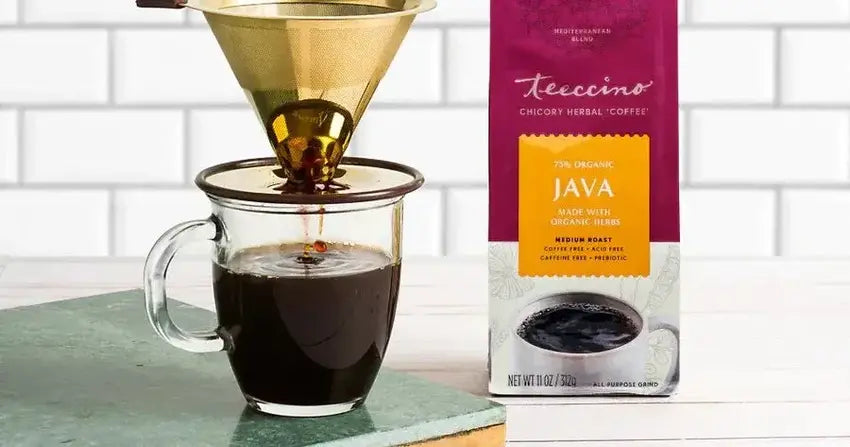
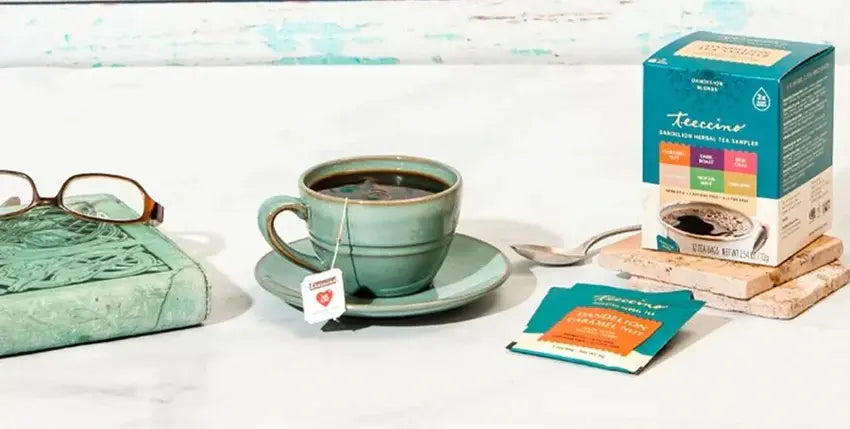
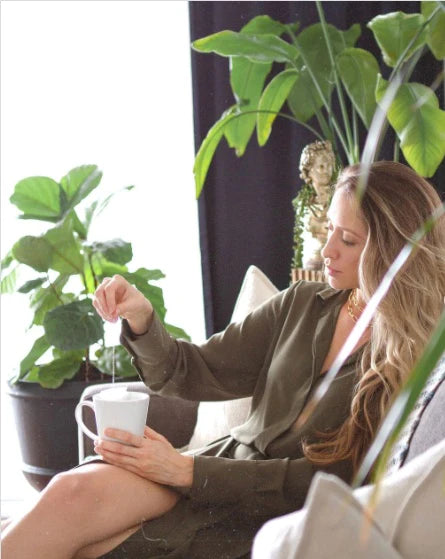
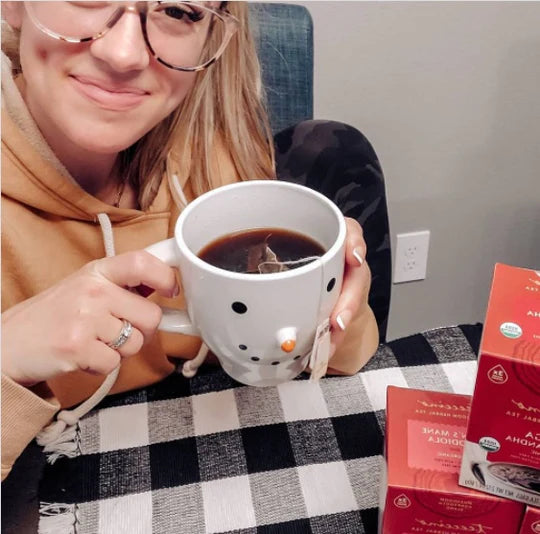

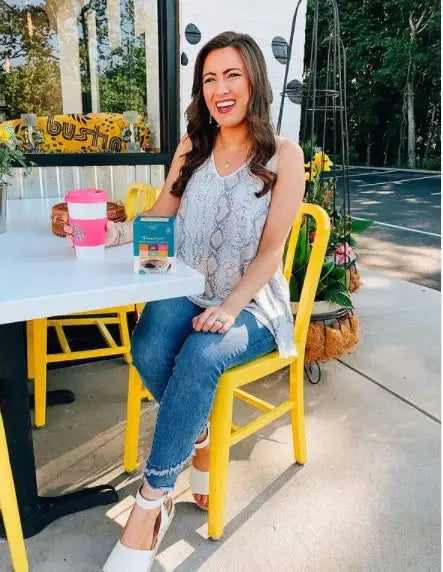

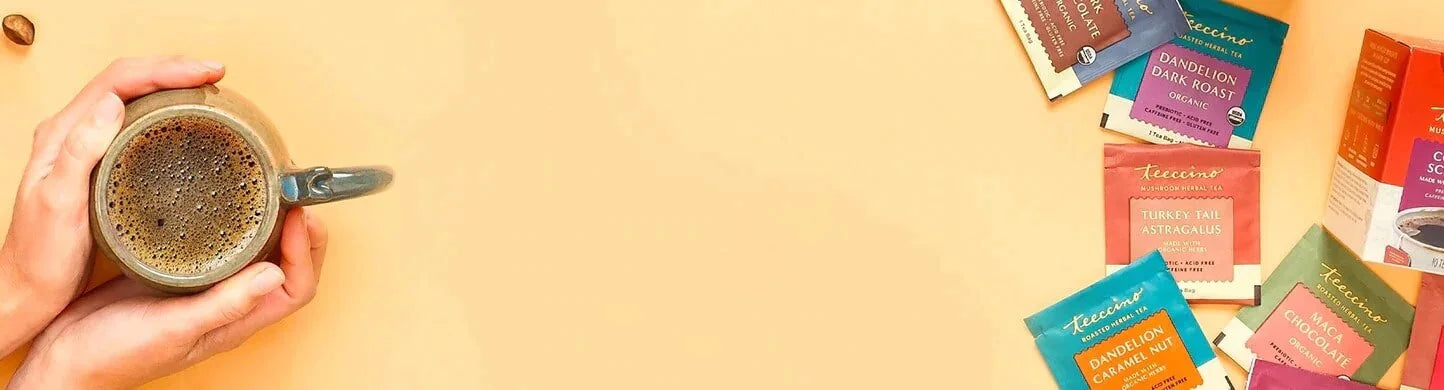
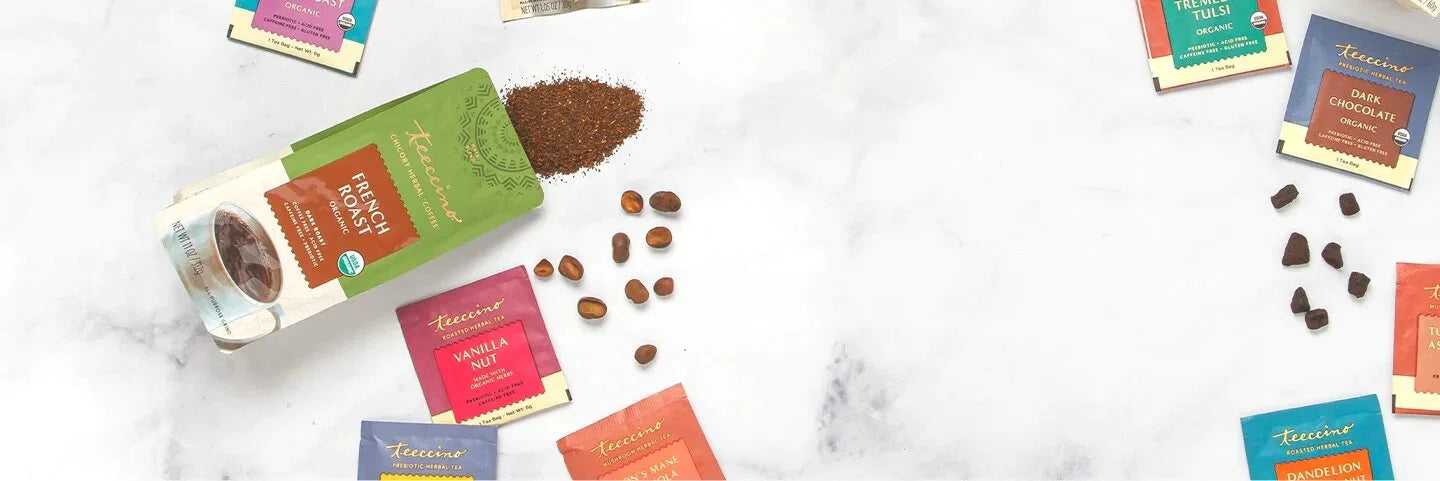

One morning in 1993, award-winning tea designer, Caroline MacDougall, awoke from a dream with a compelling vision to create a bold, robust brew from roasted herbs. She even dreamed the name of it would be Teeccino. Propelled by her own sensitivity to caffeine and acidity, Caroline designed Teeccino to satisfy both coffee and tea drinkers alike with its rich, full body and its many health benefits. Now years later, Teeccino is the #1 brand of coffee alternatives and roasted herbal teas with over 35 organic and gluten-free flavors. Often people ask, is it coffee or is it tea? Our answer is simple - it’s Teeccino! - Read more about Caroline

We don’t do international shipping but recommend our partners, iHerb.com, for fast and affordable shipping all around the globe.
Some text in the Modal Body
Some other text...